



.jpg)
Image Credits : ???????
Image Credits : Shiv Mirthyu
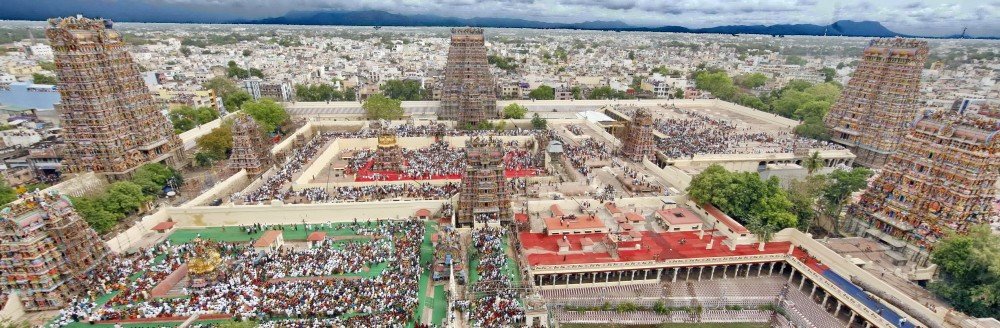
Image Credits : ???????
Image Credits : Vinoth Chandar
Image Credits : Kamala L
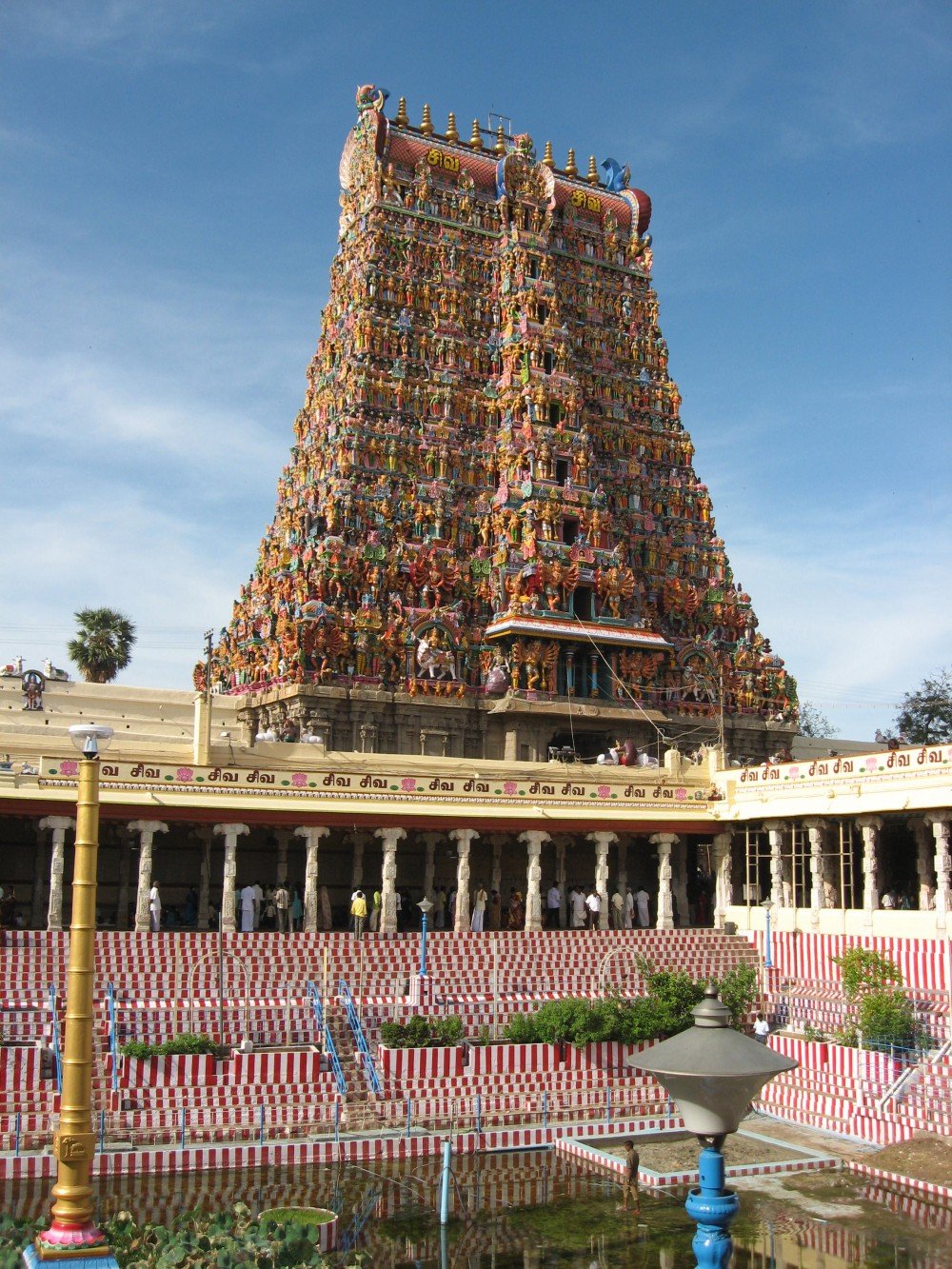
Image Credits : Ashok Prabhakaran
Madurai in Tamil Nadu is one of the oldest cities in India. It is also famous as the “Cultural Capital” of Tamil Nadu. Being the third-largest city in Tamil Nadu, it sits on the bank of River Vaigai. Madurai is famous because of the presence of numerous national heritage sites and old buildings that keep it always in the limelight across the world. Except for cultural heritage and historical monuments, popular temples like Tirumalai Nayak Palace and Meenakshi Amman Temple are known to be its national landmarks. Welcoming pilgrims and tourists equally, Madurai is a very popular city on both international and national levels.
This pilgrim town and temple city has been attracting tourists for years. It has over 10 major temples and more than 20 smaller temples. Culture and ancient history soak every corner of the city and enthralling Dravidian style temples rule the skyline. Since Madurai was built in lotus shape, it is also famous as “Lotus City.”
Iravatham Mahadevan, A Tamil-Brahmi inscription, which is from the second century BCE, refers to this city as matiray. Matiray means a “wallet city.” Since Madurai is covered with the Kadamba forests, it is also known as Kadambavanam. Many other names were also given to the city including Koodal, Madurai, Maligal Maanagar, Thirualavia, and Naanmadakoodal.
It is believed that Madurai was derived from Madhura which came out of the nectar showered by Lord Shiva from his entangled hair on the city. According to another belief, Madurai is derived from Marutham, a kind of landscape from the Sangam era.
Koodal means a congregation or assembly of people and it refers to the 3 Tamil Sangams that are held at Madurai while Naanmadakoodal refers to 4 major temples of Madurai and it means junction of 4 towers.
The city has been inhabited from the third century BC. In 3rd Century BC, Megasthenes is believed to visit Madurai and referred the city to Methora. The Kautilya’s Arthashastra also has a mention of Madurai. Matutaikkanci, the Sangam Literature, states Madurai to the Pandyan Dynasty’s capital. The city also finds its mention in Roman historians’ work, Periplus of Erythraean Sea works, and Greek Geographer Strabo’s works.
Just after the Sangam age, Madurai along with most parts of Tamil Nadu came under the Kalabhra dynasty’s rule. This was banished by Pandyas in nearly 590 CE. Chola dynasty then banished the Pandyas from Madurai in the early 9th century. Until the 13th century, the city was controlled by the Cholas. After that Pandyan Empire was set up here with its capital as Madurai. When Kulasekara Pandian died, Madurai came under the Delhi Sultanate’s rule. It was under the Nayaks in 1559 CE that Madurai became independent. The rule of Nayaks ended in around 1736 CE and then Madurai was taken over by Chanda Sahib, Muhammed Yusuf Khan, and Arcot Nawab repeatedly during the 18th century.
Madurai then came under British East India Company in 1801 and was then annexed to Madras Presidency. Soon, the city had seen many developments year after year. Independence movement also started in this area. Mahatma Gandhi is known to have led the great freedom march here.
Established around the center location of the famous Meenakshi Amman Temple, Madurai imparts aesthetics of great architecture in every establishment in houses. This city has been divided into many streets around this temple. According to the Tamil classic records, the Meenakshi Amman Temple is the center of this city and all its surrounding streets look like a lotus and petals of the flower. A view of this city from the sky reveals the quadrangular streets that emerge from the boundary of the temple, dividing this city into many square-shaped areas. These squares retain the traditional names of Aadi, Avani-Moola, Masi, and Chittirai that correspond to the names of festivals and months in Tamil. You can also witness the thorough structural design in lots of temples, buildings, community halls, and pilgrim spots present here that were built during the colonial age.
Make your trip to Madurai a magical one by adding the below-mentioned places to visit in Madurai to your itinerary:
Temples Visit: There are many famous Hindu Temples in Madurai that devotees and tourists from all around the world keep visiting all through the year. The temples of Madurai are among the must-visit places during your Madurai tour.
Shopping: Your trip to Madurai will be incomplete if you do not visit the shopping area of Puthu Mandapam. Tourists can visit this area for high-class, modern clothes shopping. You can buy intricately made brassware and popular cotton sarees from here.
Hiking: If you are looking for some adventure on your trip, you can go for a hike from Samanar Hills through to Jain Caves. It will offer you a lifetime experience.
Enjoy Local Food: Madurai is famous for many South Indian foods. If you’re a food lover and wish to taste the best South Indian food, Madurai has many hygienic food stalls and restaurants.
Madurai is located at a distance of 462 km from Chennai and 436 Km from Bangalore. The main transportation modes for travelers include trains and flights. Madurai Junction is known to be the main railway station. Madurai Airport is the nearest airport to Madurai situated at Avaniyapuram which 12 km is away only.
Plan a trip to this historic, spiritual city and indulge yourself in a back in time experience!