Rajasthan — Fortresses, Deserts, and the Colours of a Thousand Festivals
India's largest state by area is a landscape of superlatives — the world's largest democracy's most extravagant palaces, the Thar Desert stretching to the horizon under a burning sun, forts that withstood every Mughal assault, and a living culture of puppeteers, folk singers, camel traders, and master craftspeople that has no equal on earth.
Overview
Rajasthan — "the land of kings" — covers 342,000 square kilometres of northwest India, from the Aravalli mountain range to the Thar Desert, from the Chambal river ravines in the east to the salt flats of the Rann of Kutch border in the southwest. The state was formed in 1949–1950 by the merger of 22 princely states — former kingdoms of the Rajput clans — each of which left behind architectural legacies of extraordinary grandeur: hill forts (six are UNESCO World Heritage Sites), lake palaces, cenotaphs, step-wells, and walled cities painted in shades of pink, blue, gold, and white.
Top Places to Visit
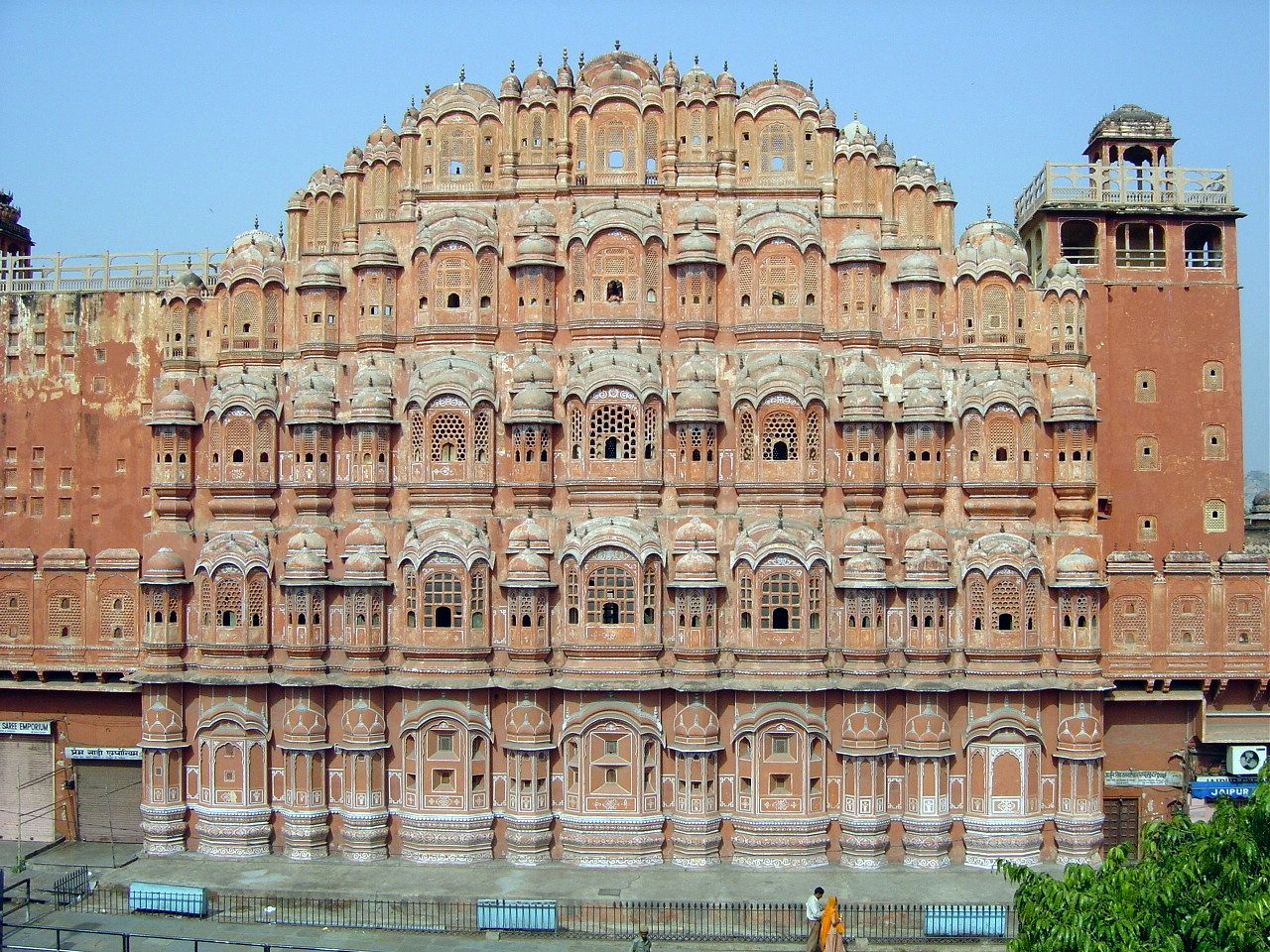
- Jaipur (The Pink City): The capital — its old city was painted terracotta pink in 1876 to welcome the Prince of Wales. The City Palace (still occupied by the royal family), Jantar Mantar (an 18th-century astronomical observatory, UNESCO listed), Amber Fort (a Rajput-Mughal architectural masterpiece on a ridge above the city), and Hawa Mahal (the Palace of Winds, with 953 latticed windows designed for royal women to watch street life unseen) make it an almost overwhelming destination.
- Udaipur (The City of Lakes): Built around a cluster of artificial lakes in the Aravalli hills — the Lake Palace (hotel) floating on Pichola Lake, City Palace rising sheer from the lake shore, Saheliyon ki Bari garden with its fountains, and the narrow bazaar lanes of the old city create what many consider the most romantic city in India.
- Jodhpur (The Blue City): Mehrangarh Fort — one of the world's largest hill forts, with walls 36 metres high — towers over a blue-painted cityscape of Brahmin households. The clock-tower market at its base is the best spice market in Rajasthan.
- Jaisalmer (The Golden City): A living fort-city of sandstone rising from the Thar Desert — its golden havelis (merchant mansions) with their intricate jali (lattice) work are among the finest examples of Rajasthani domestic architecture. Camel safaris into the Sam and Khuri dunes are the signature experience of the Thar.
- Ranthambore National Park: One of India's finest tiger reserves, set among the atmospheric ruins of a 10th-century Rajput fort — tigers here have been photographed inside fort towers and on ramparts, creating images unlike any other wildlife park in the world.
- Pushkar: A sacred lake town with 52 ghats and more than 400 temples, best known for the annual Pushkar Camel Fair (October–November) — part livestock market, part Hindu pilgrimage, part global cultural festival, entirely unforgettable.
Culture and Heritage
Rajasthan has six UNESCO World Heritage Sites (the Hill Forts of Rajasthan and Jantar Mantar), the world's largest turbans, the most elaborate wedding traditions in India, and a performing arts tradition that includes Kalbeliya (the serpent dancers whose undulating style earned UNESCO intangible heritage recognition), Kathputli (puppet theatre), Terah Taali (a trance dance involving brass cymbals tied to the body), and the Maand vocal style — slow, meditative classical songs of yearning for the desert homeland.
Cuisine
Dal Baati Churma — baked wheat balls with five-lentil dal and crumbled sweet churma — is Rajasthan's signature dish, designed for the desert warrior on campaign. Laal Maas (fiery red mutton curry with Mathania chillies), Ker Sangri (dried desert bean and berry pickle-vegetable), Ghevar (Jaipur's latticed milk sweet), and Malpua (festive fried pancake with rabri) define the royal and folk kitchens of this vast state.
Best Time to Visit
October to March. November is peak desert safari season. The Pushkar Mela (October–November) and Jaipur Literature Festival (January) are major events. April to June is extremely hot (45°C+).
How to Reach
Jaipur has international flights; Jodhpur, Udaipur, Jaisalmer, and Bikaner airports serve different regions. The Palace on Wheels luxury train is a magnificent way to see multiple cities. NH 48 and NH 11 connect major cities.
Travel Tips
- Book accommodation in Udaipur 3+ months ahead for peak season — good hotels fill immediately.
- Negotiate hard at all bazaars — initial prices are always inflated for tourists.
- Hire a local guide at every major fort — the stories transform the stonework.
- Respect photography protocols at all temples and palaces — rules vary and are enforced.
Have a better photo of Rajasthan — Fortresses, Deserts, and the Colours of a Thousand Festivals?
Upload your own photograph. If we approve it, you earn between 1 and 10 paise. Every photo is checked by our team before it appears.
Share this
Comments
Stay in Rajasthan
Next in the journal
Rajasthan
Jaipur — The Capital in Pink
Capitals · Rajasthan's capital doubles as its showroom: block-prints, blue pottery, gems and the grid Jai Singh drew fro...
Rajasthan
Viratnagar — The Year in Disguise
Mahabharata · The thirteenth year demanded invisibility: at King Virat's court the emperor became a dice-teacher, Bhima...
Rajasthan
Jaipur — The Planned Pink City
Tourist Gems · Sawai Jai Singh II built Jaipur in 1727 on Vastu grids — India's first planned city — and painted it terr...