Experience spirituality under the blue skies in green lands surrounded by majestic hills
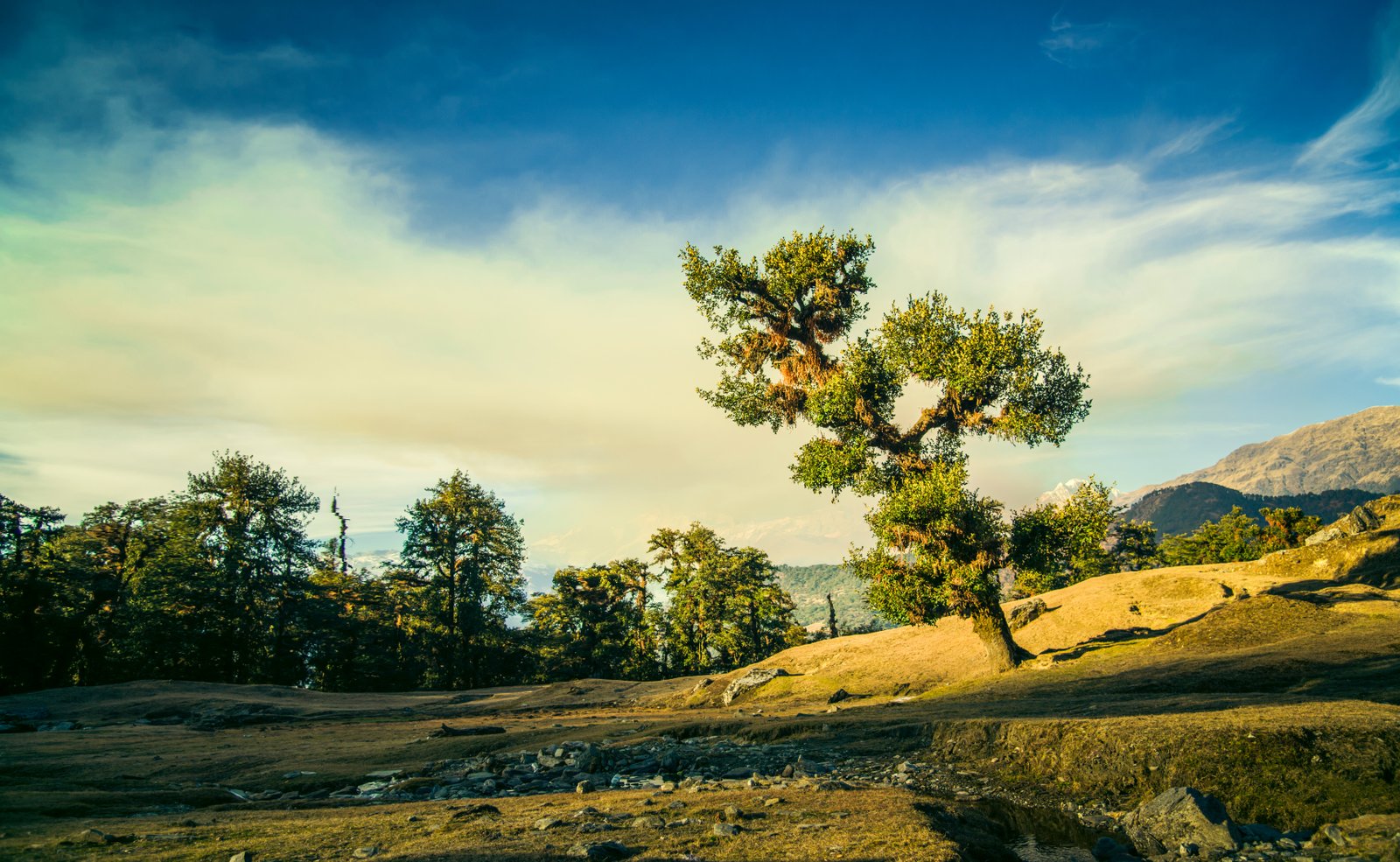
Uttarakhand is a place that not only swanks of a gleaming view of the Himalayas but also shows cultural ethos which speaks of a simplistic and harmonic coexistence with nature. With oaks, silver firs and rhododendrons ornamenting the steep mountain slopes, Uttarakhand offers you a sight into an untainted and idyllic world. And in the middle of such natural bliss are embedded centres of spiritual ecstasy, the Panch Kedars.
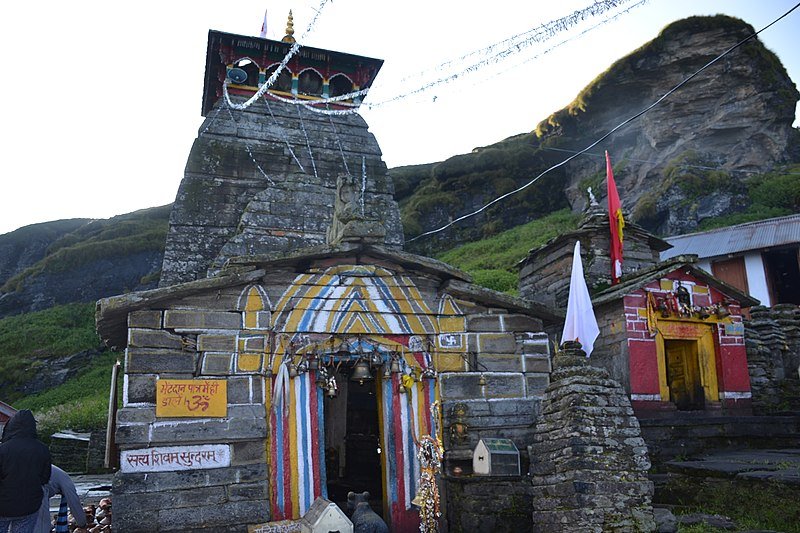
Tungnath temple is amongst the loftiest and towering Shiva temples in the world that is thousands of years old. This highest of the Panch Kedar temples of Mahadev is located in the pinnacle spams of Tunganath in Rudraprayag district of Uttarakhand. Standing at a height of 3,680 m, just below the peak of Chandrashila, Tunganath literally meaning Lord of the Peaks is a part of the Panch Kedars lapse.
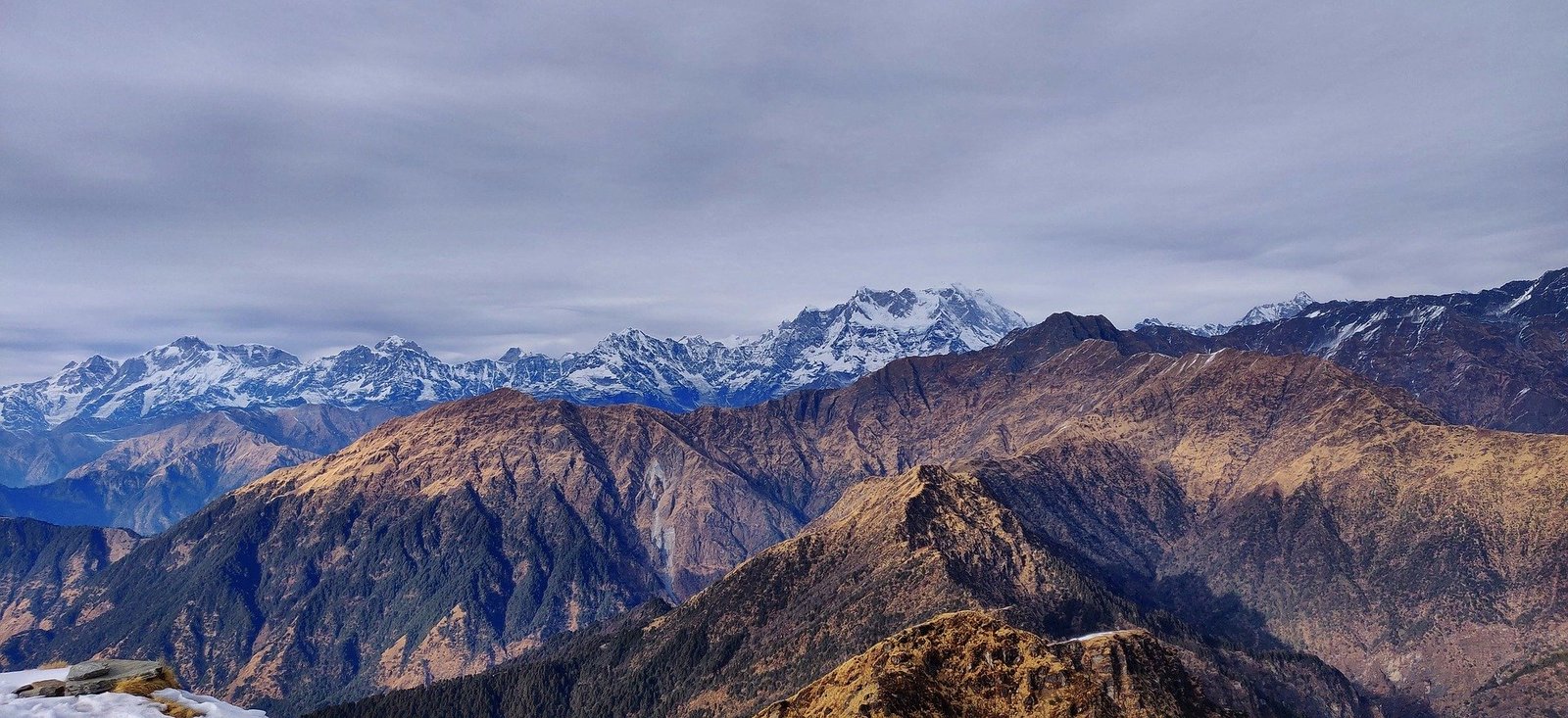
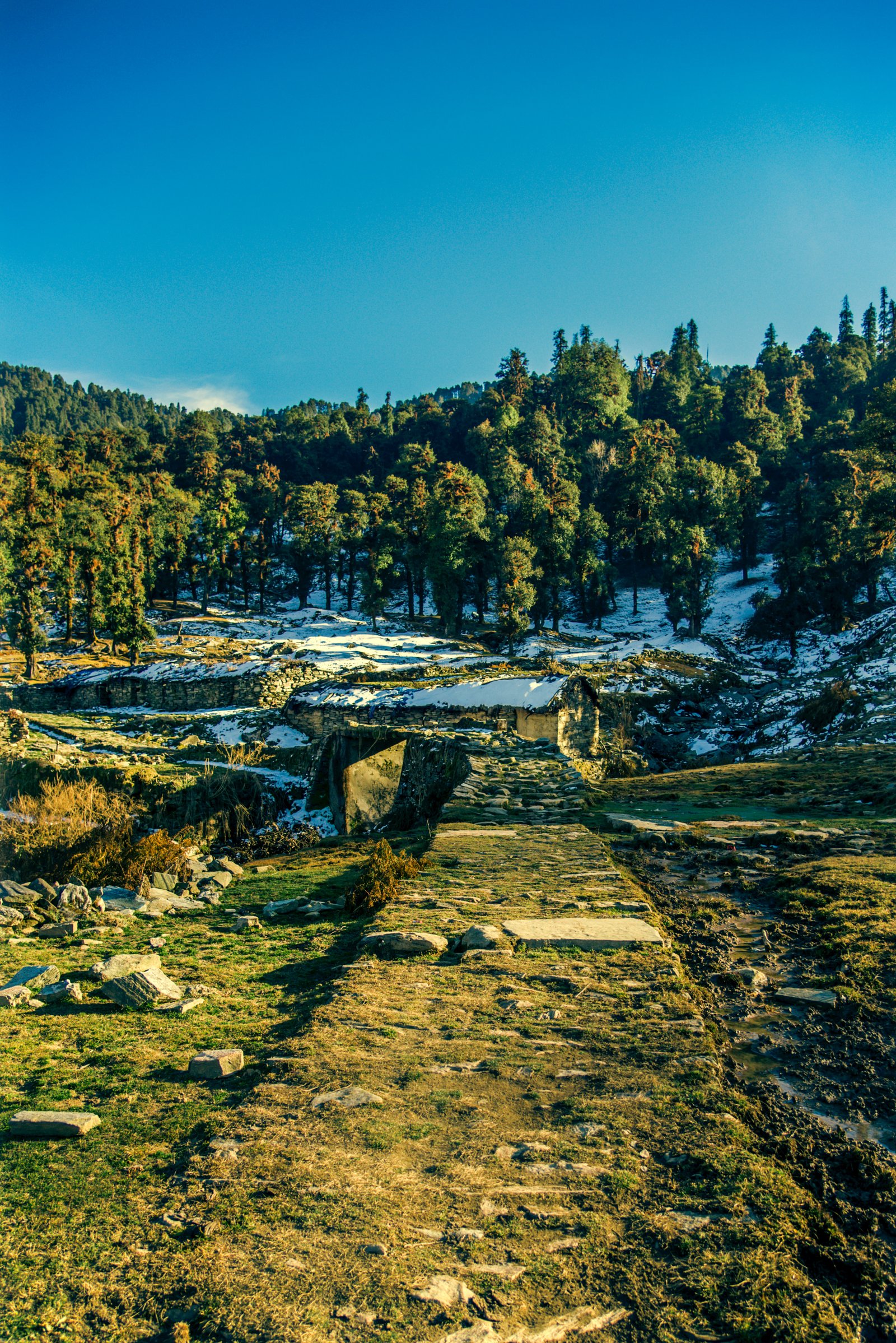
Tungnath is at the top of the hilltop cleaving the waters of the Mandakini River from those of the Alaknanda River. The road to Chopta is just below this hilltop and provides the smallest bristle path for trekking to the temple from Chopta, over a small distance of about 5 km. It is said that the trek is one of the easiest treks of Panch Kedars and is very well laid. From the top of the Chandrashila peak, spectacular views of the Himalayan range consisting snow peaks of Nanda Devi, Panch Chuli, Banderpoonch, Kedarnath, Chaukhamba and Neelkanth on one side, and the Garhwal valley on the opposite side can be seen. The valley between Chopta and Tunganath temple has wooded ridges comprising of beautiful alpine meadows that have rhododendron coppices with green, lushly agricultural fields which are a treat to the eyes of all the nature lovers. The rhododendrons, when they are in full bloom during March, display gleaming colors ranging from crimson to pink. Kedarnath Wildlife Sanctuary is also located here where one can witness the Musk deers.
The priest at this temple is a local Brahmin from Ukhimath village, differing from the other Kedar temples where the priests are from the Southern part of India. During winters, the priests and the deity are moved to Makkumath due to heavy snowfall received in this region. It is believed that the traditions of pooja are still the same as it was in earlier times, years ago.
Magnificent in its splendid architecture and artic structure, Tunganath has been built in North Indian style of architecture. The foundation of the temple was laid by Arjun, the third brother of the Pandavas. It consists of shrines of Gods and idols of Lord Shiva and Goddess Parvati.
The tale behind the temple is as mystic as the temple itself. In the Mahabharata era, after the war, the Pandavas were seeking the blessings of Shiva to atone their sin of killing their own blood. However, Mahadev was not keen to forgive them. In order to hide and escape from the Pandavas, Lord Shiva disguised himself in the form of a bull and took refuge underground. However, Bhima found him and in the tug of war that followed, as Bhima tried to pull out the bull, its parts were scattered at different places. The locations where the parts of Shiva were found are now the Panch Kedars where renowned temples are built and Tunganath is the place where his hand (bahu) was discovered.
Tunganath is a place where you can seek enthralling adventure and soothing holistic experience which will give you a break from the hustle of busy city life and will definitely please your eyes. So don't wait, simply go for it. Travel your heart out. Chase those footsteps. Collect the moments of spiritual bliss in the mountains.